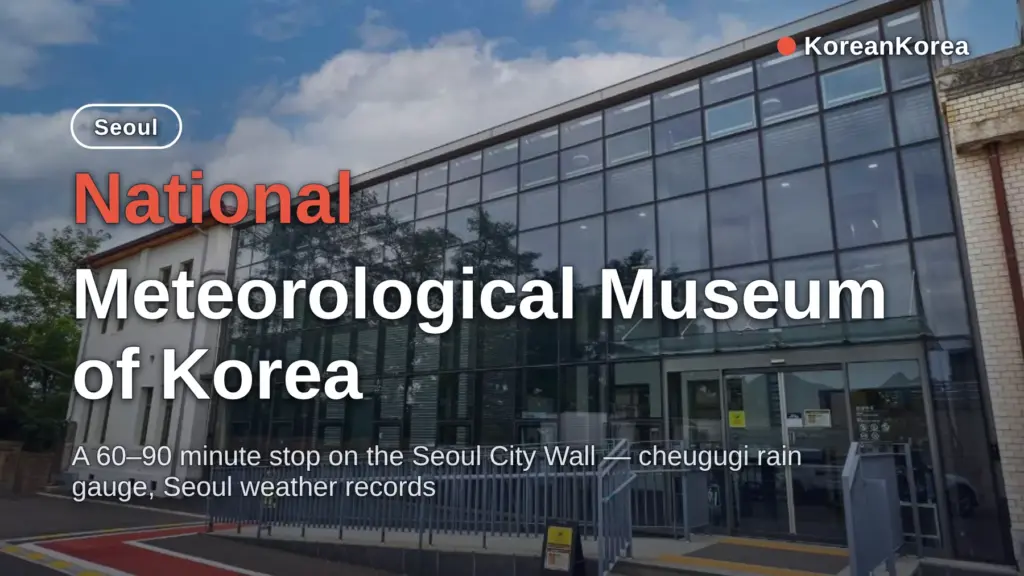
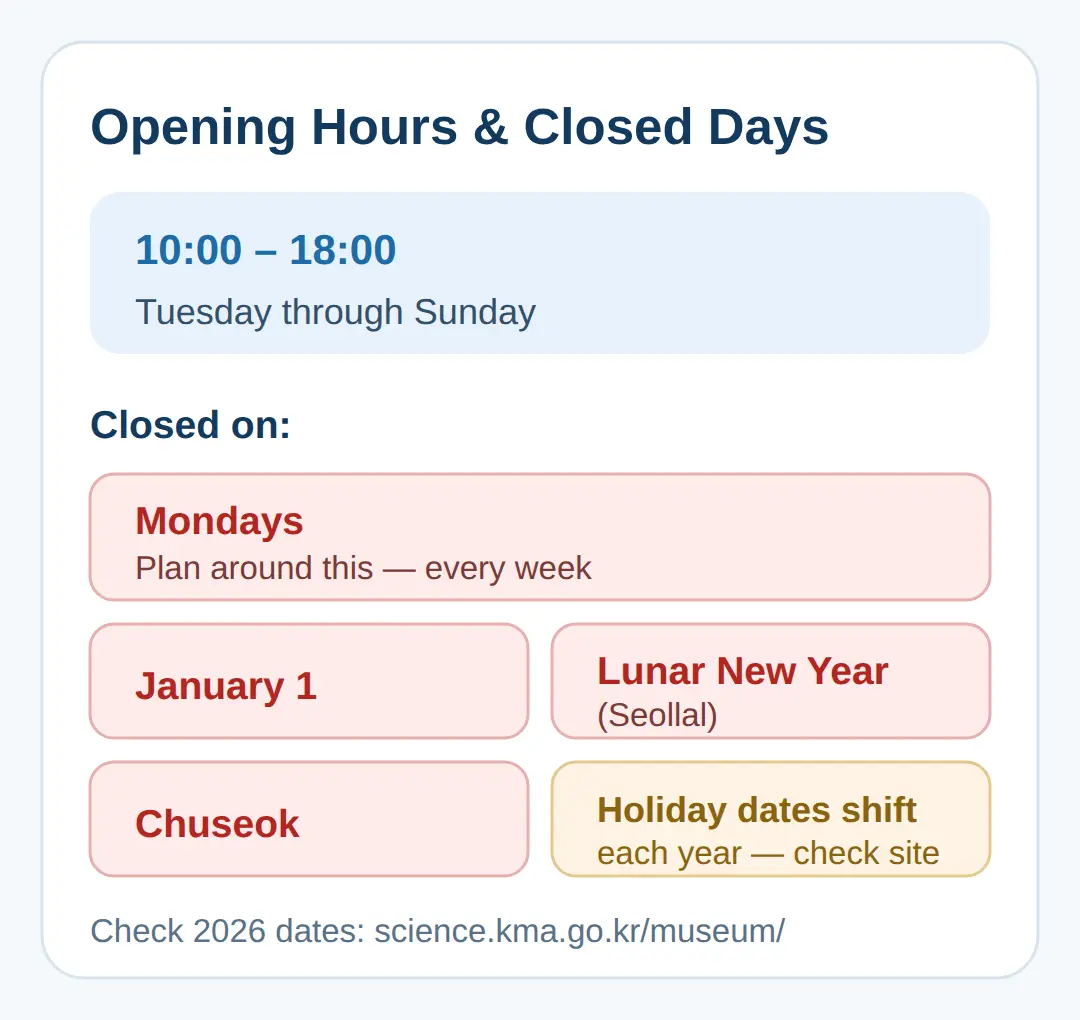
Yes — it is worth a short visit if you like weather science, history, or walking the Seoul City Wall: free entry, open 10:00–18:00 Tuesday–Sunday (closed Mondays, January 1, Lunar New Year, and Chuseok), 860 m from Seodaemun Station Exit 4 on Line 5, roughly 10–12 minutes on foot.
For most international visitors it is a niche stop rather than a major sight, but it pairs naturally with the Inwangsan section of the Seoul City Wall and Gyeonghuigung Palace.
This guide covers who it suits, the exact subway route, hours and closing days, the 1837 rain gauge, the weather records held at this station, and how to book hands-on programs.
Is the National Meteorological Museum of Korea Seoul Worth Visiting?
| Address | 03178 52, Songwol-gil, Jongno-gu, Seoul (Songwol-dong) |
|---|---|
| Hours | 10:00–18:00, Tuesday–Sunday |
| Closed | Mondays, Jan 1, Lunar New Year’s Day, Chuseok |
| Admission | Free |
| Nearest subway | Line 5, Seodaemun Station Exit 4, 860 m (~10–12 min walk) |
| Phone | +82-2-2181-0893 |
| Official website | science.kma.go.kr/museum/ |
Yes — if you fall into one of three groups: families with school-age children, people who enjoy weather or science history, and hikers on the Seoul City Wall who want a free indoor stop.
If you are short on time and sticking to the major sights, skip it or put it last; it is not a big-ticket attraction.
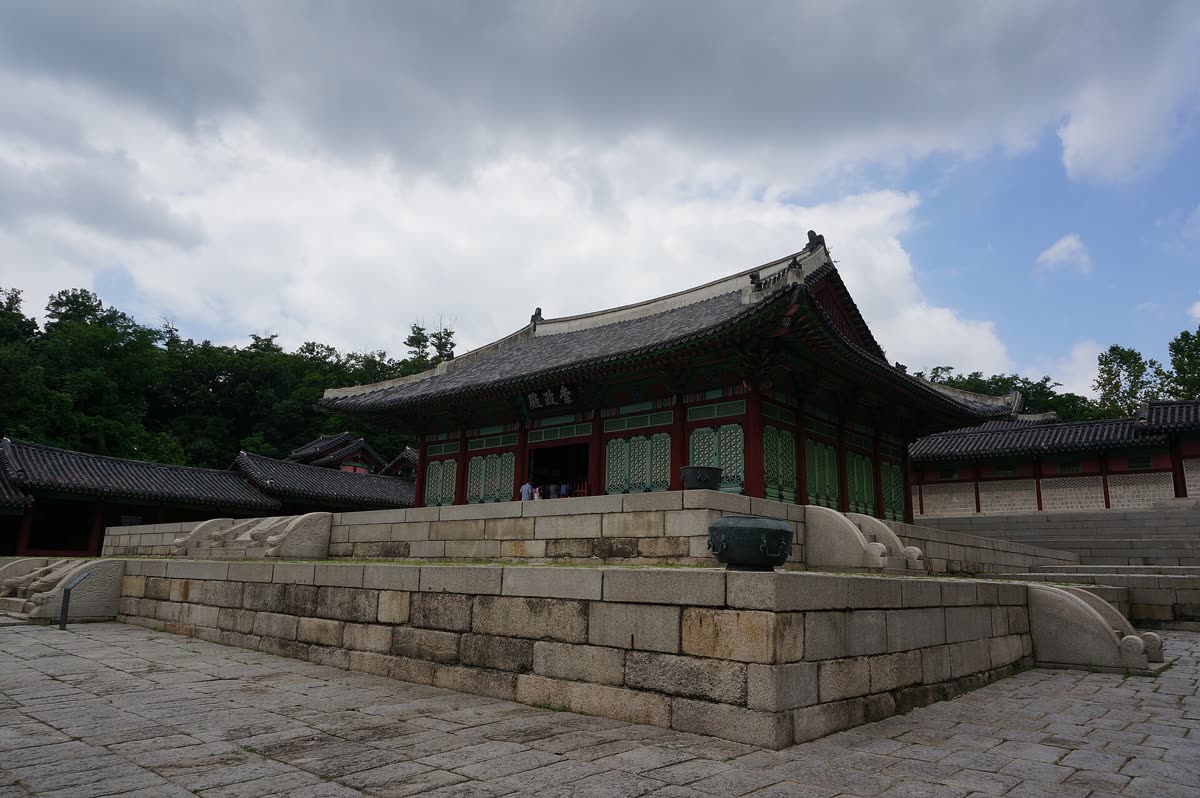
Korea’s first museum of meteorological science history, it preserves weather culture from the Joseon Dynasty through modern times.
VisitSeoul’s ‘don’t miss’ list names three things: the world’s only surviving cheugugi rain gauge, the seasonal observation trees that set Seoul’s official cherry-blossom and foliage dates, and the restored observatory building itself.
Most visitors need about 60–90 minutes for the two exhibition halls and outdoor grounds.
How to Get There by Subway
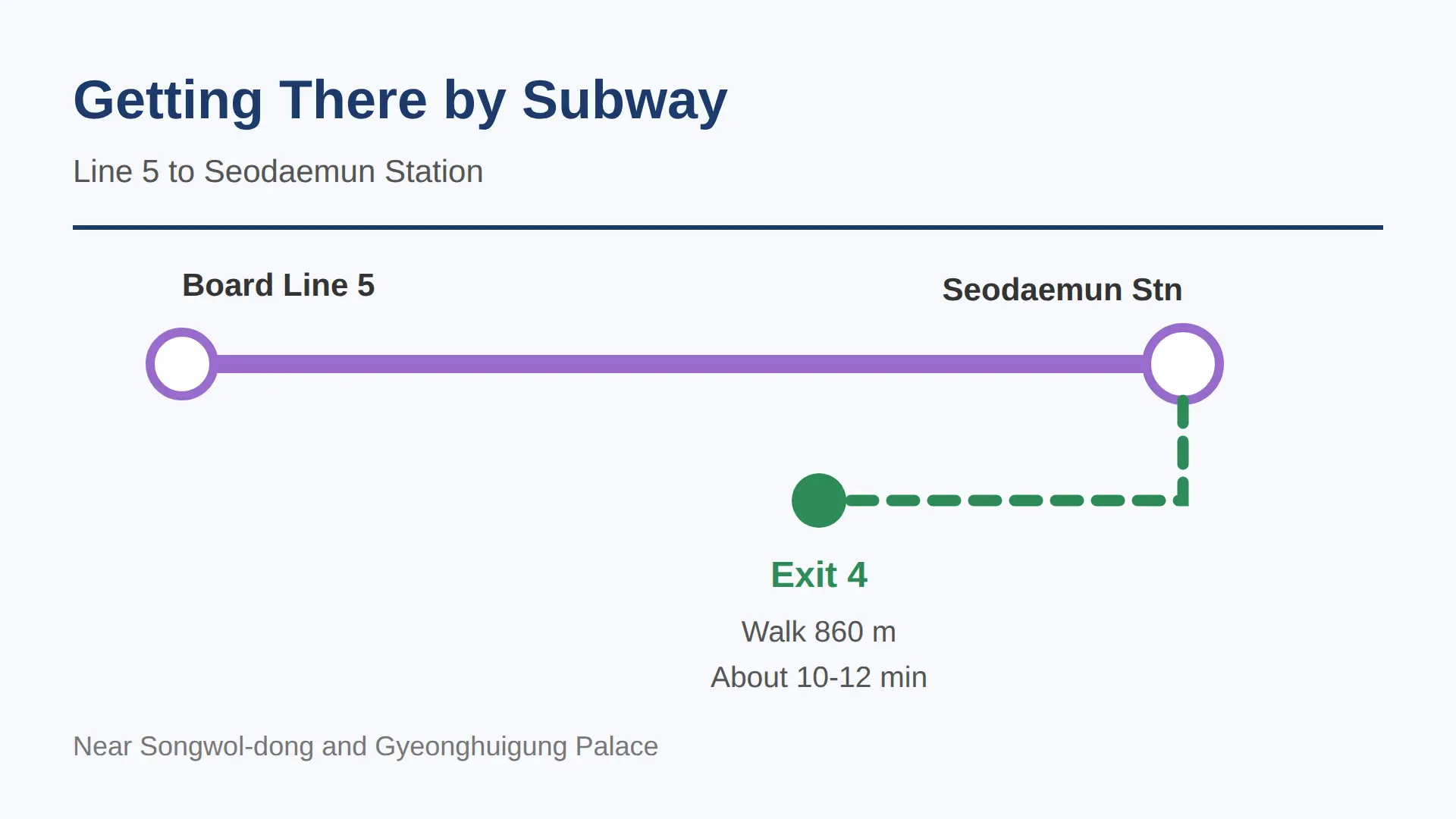
Take Line 5 to Seodaemun Station and use Exit 4; the museum is 860 m away, roughly 10–12 minutes on foot.
The address, if you prefer a taxi or navigation app, is 52, Songwol-gil, Jongno-gu, Seoul.
From Exit 4 the route runs toward the Songwol-dong area, close to Gyeonghuigung Palace, so you can combine it with a wall walk rather than treating it as a standalone trip.
If you are building a longer Seoul itinerary, koreankorea.com has a Seoul subway route planner and a Seoul guides by region index that work well for this area.
Opening Hours and Closed Days
Open 10:00–18:00 Tuesday through Sunday.
Closed Mondays, January 1, Lunar New Year’s Day, and Chuseok — plan around these, especially Mondays.
For the exact 2026 Lunar New Year and Chuseok dates, double-check the museum’s official site (science.kma.go.kr/museum/) before you go, as holiday dates shift each year.
What Is a Cheugugi — the Rain Gauge Worth the Trip
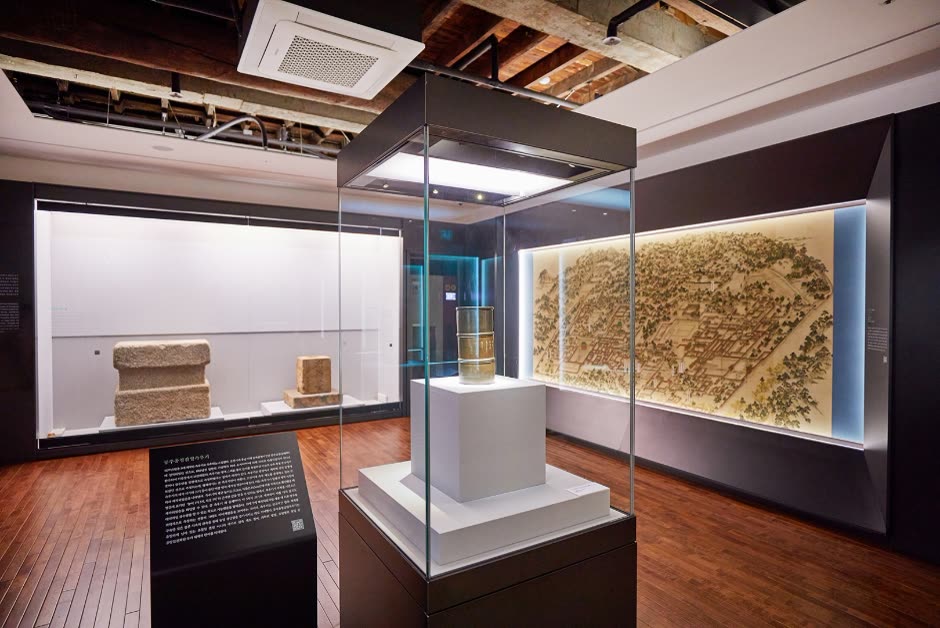
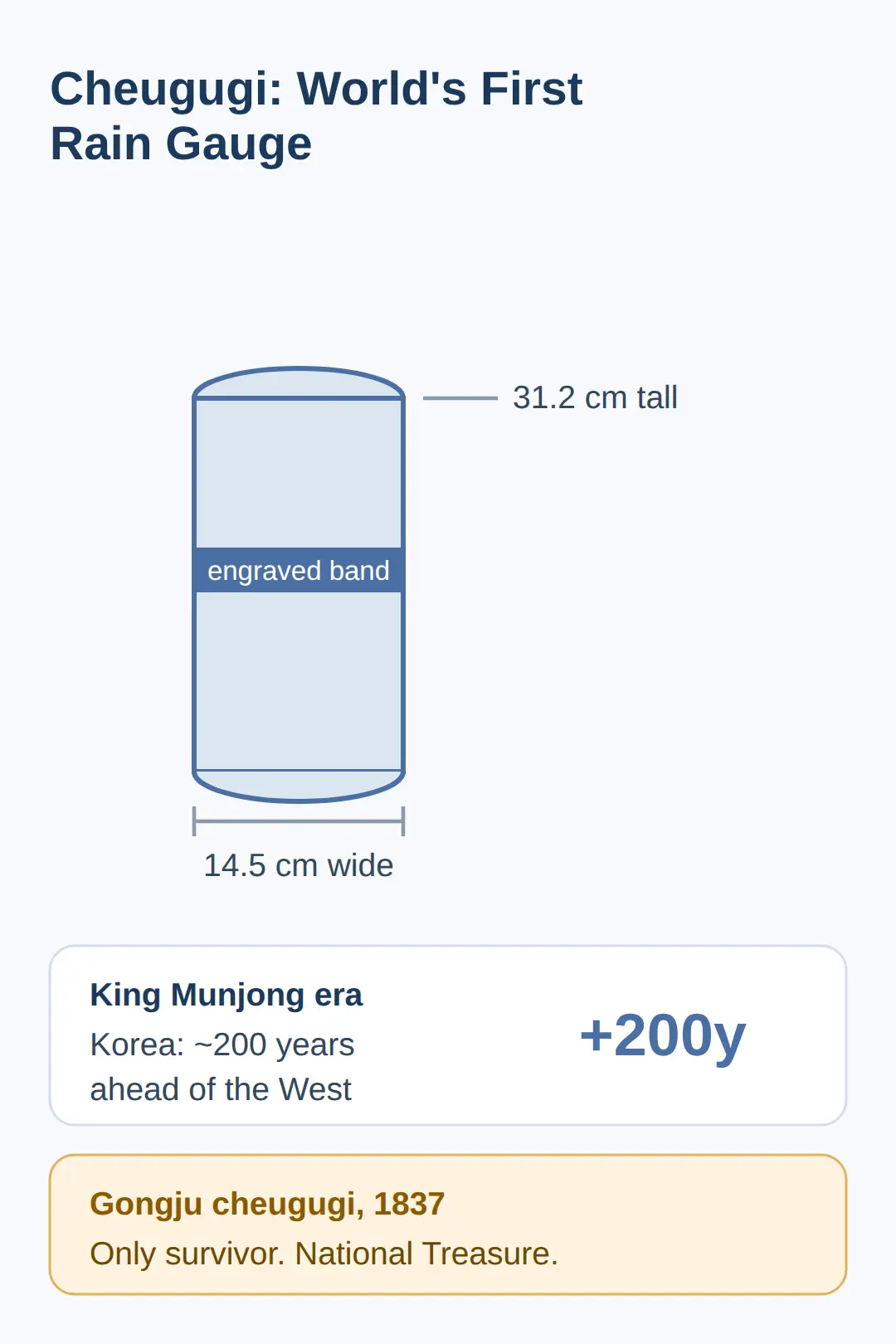
A cheugugi is a Joseon-era scientific rain gauge, and the museum’s star artifact is the Gongju Chungcheonggamyeong Cheugugi from 1837: the only surviving one of its kind in the world, designated a National Treasure.
Korea invented the rain gauge roughly 200 years before the West.
The gauge averages 31.2 cm in height and 14.5 cm in diameter, with the production date and specifications engraved on its middle band.
Also on display are the Daegu Gyeongsanggamyeong Cheugudaegi and Gwanggam Cheugudaegi pedestals — different eras and shapes, but the socket hole for the gauge is identical, since the central government standardized gauge manufacturing.
What Weather Records Does the Seoul Station Hold?
| Record | Value |
|---|---|
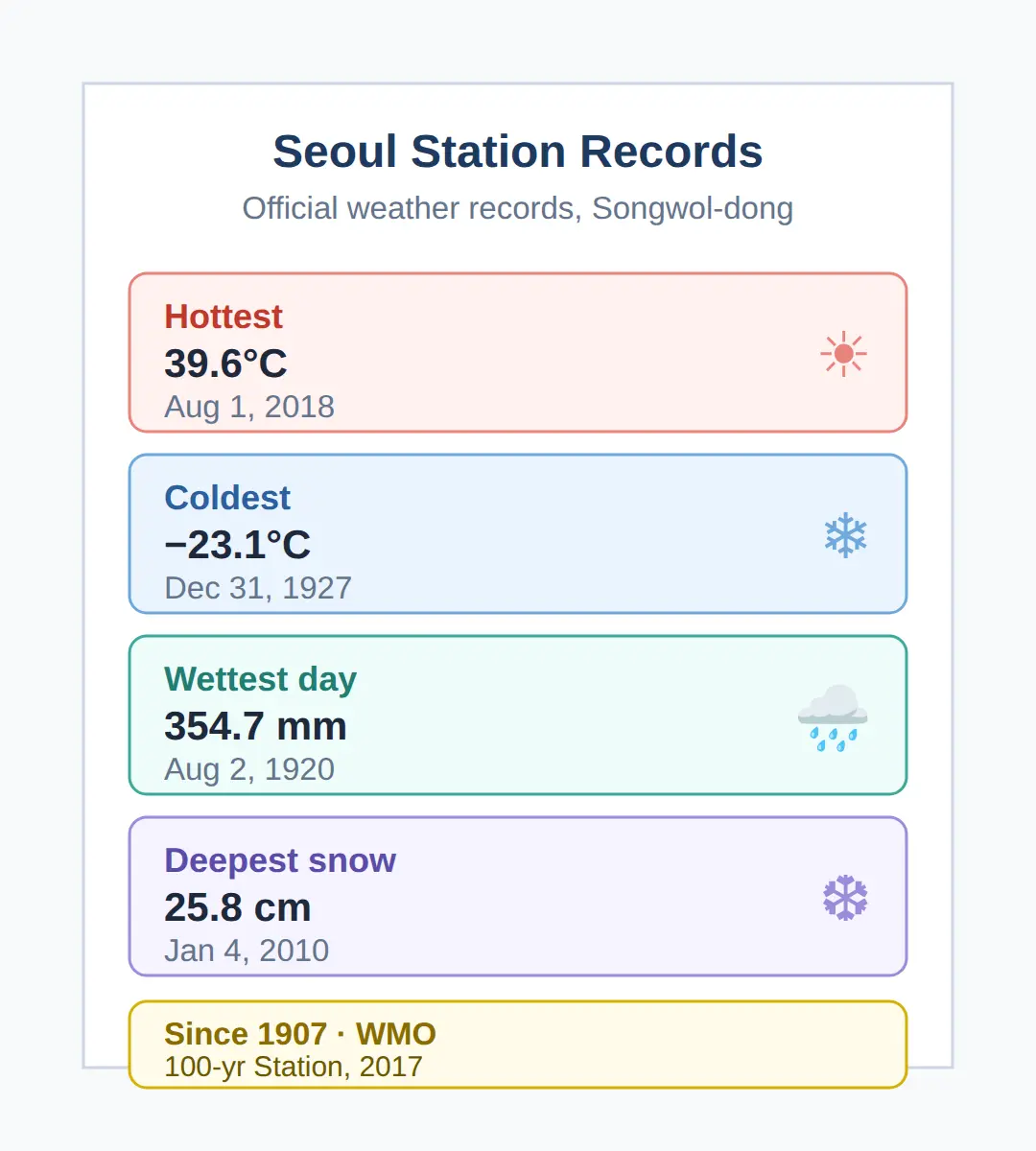
| Hottest | 39.6°C (Aug 1, 2018) |
| Coldest | −23.1°C (Dec 31, 1927) |
| Wettest day | 354.7 mm (Aug 2, 1920) |
| Deepest snow | 25.8 cm (Jan 4, 2010) |
This same Songwol-dong site holds Seoul’s official weather records.
Observation here began Oct 1, 1907 as the Gyeongseong branch of Incheon Observatory, moving to Songwol-dong on Nov 1, 1932, and continuous observation there earned the site a WMO 100-year Observing Station designation in May 2017 (jointly with Busan).
The main building, rain gauge shelter, and seasonal observation tree plot were registered as National Registered Cultural Heritage No.
585 on Feb 27, 2014 — the first registration in Korea to include plants.
The maple and cherry trees on that plot set the official standard for Seoul’s cherry-blossom and autumn-foliage announcements (3 or more blossoms on one branch = official bloom).
Programs, Facilities, and What to Pair It With
Book guided tours and hands-on programs through Naver Reservation; reservations open from at least 3 days ahead, and groups under 3 may be canceled.
The ‘Make a Cheugugi’ kit program (EVA pedestal + clear tube assembly) runs seasonally, typically during summer holidays — but if a heatwave, typhoon, heavy rain, or fine dust advisory is issued, all bookings are bulk-canceled and programs pause.
Facilities include wheelchair and stroller rental, elevators, accessible restrooms, accessible parking, and a rest space playing seasonal weather sounds; English exhibition commentary is available.
I would pair it with the Inwangsan section of the Seoul City Wall and Gyeonghuigung Palace, because the museum sits right on the wall route and the chain makes a solid half-day from Seodaemun.
I’d start at the museum first — the wall walk feels different once you’ve seen the weather records kept at this very station.
👉 Visit Seoul listing (English)
👉 Seoul Mediahub on the cheugugi
Related posts
📎 Seoul — everything we know
📎 📅 Upcoming Dates — Release & Event Calendar
Sources
- visitseoul.net listing: hours, address, Seodaemun Station Ex (english.visitseoul.net)
- no dedicated visitor parking info in retrieved sources (korean.visitseoul.net)
- Official website (science.kma.go.kr)
Practical tips for your visit
- I check closing days and the walk from Seodaemun Station Exit 4 before anything else — both decide whether this fits a day.
- The verified walk is 860 m from Line 5 Seodaemun Station Exit 4 — anchor your route on that exit, not on other stations shown on maps.
- Only accessible parking is confirmed; general visitor parking is unverified, so arrive by subway.
- If a heatwave or severe-weather advisory is in effect, assume hands-on programs are canceled — check before promising kids a kit session.
FAQ
Q. Is the National Meteorological Museum of Korea free?
Yes. Admission and viewing are free under official museum policy.
Q. How do I get to the museum by subway?
Line 5 to Seodaemun Station, Exit 4, then an 860 m walk of roughly 10–12 minutes.
Q. What is a cheugugi?
A Joseon-era rain gauge; the 1837 Gongju example here is the only surviving one of its kind in the world and a National Treasure.
Q. What weather records does the Seoul station hold?
Hottest 39.6°C (Aug 1, 2018), coldest −23.1°C (Dec 31, 1927), wettest day 354.7 mm (Aug 2, 1920), deepest snow 25.8 cm (Jan 4, 2010).
Q. Do I need to book, and is parking available?
Book guided tours and hands-on programs via Naver Reservation from 3 days ahead. Accessible parking is confirmed; general visitor parking is not, so plan to arrive by subway.
Pair it with the Seoul City Wall (Inwangsan section) and Gyeonghuigung Palace for an easy half-day in Jongno.
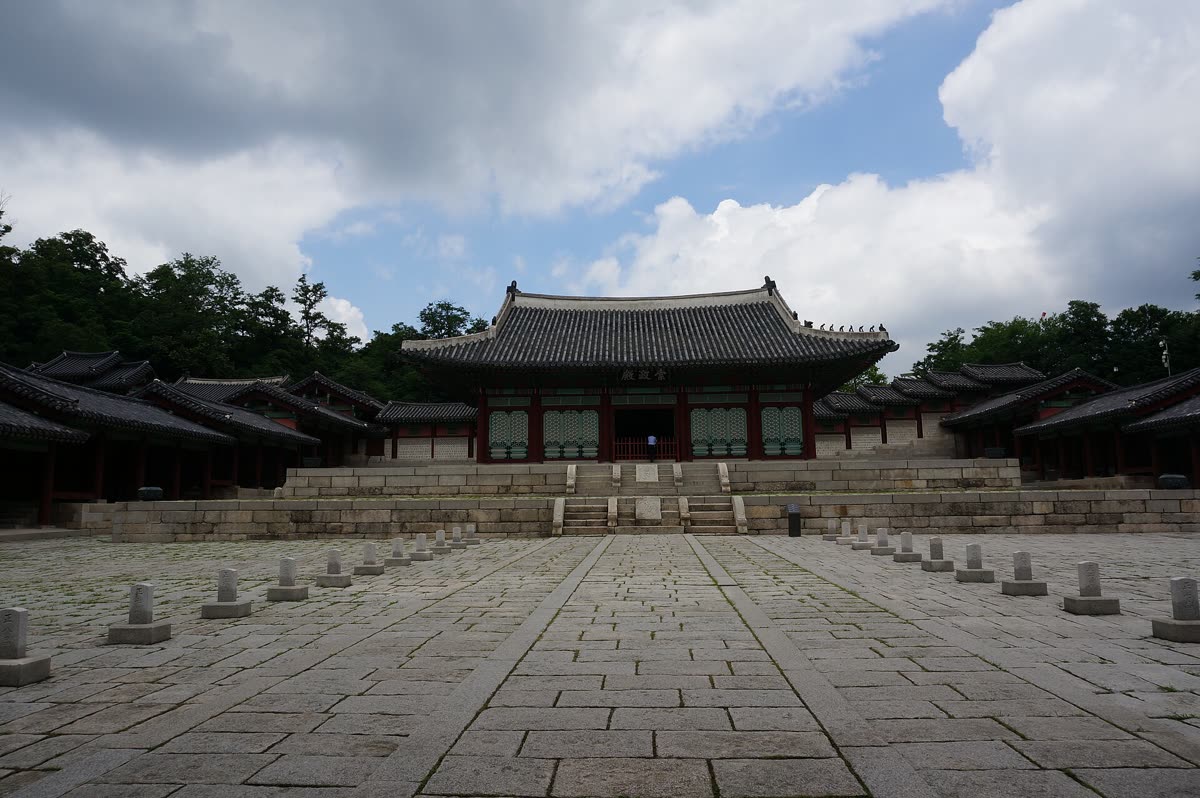
Cover photo: National Meteorological Museum of Korea (국립기상박물관) by Korea Tourism Organization — KOGL Type 1 (attribution)
#NationalMeteorologicalMuseumofKorea #Seoulmuseumsfree #SeodaemunStation #cheugugiraingauge #SeoulCityWall #Koreaweatherrecords
📅Upcoming Schedule — this week 23 · D-day Autumn season = post-summer brightening demand window (UV drSee all →