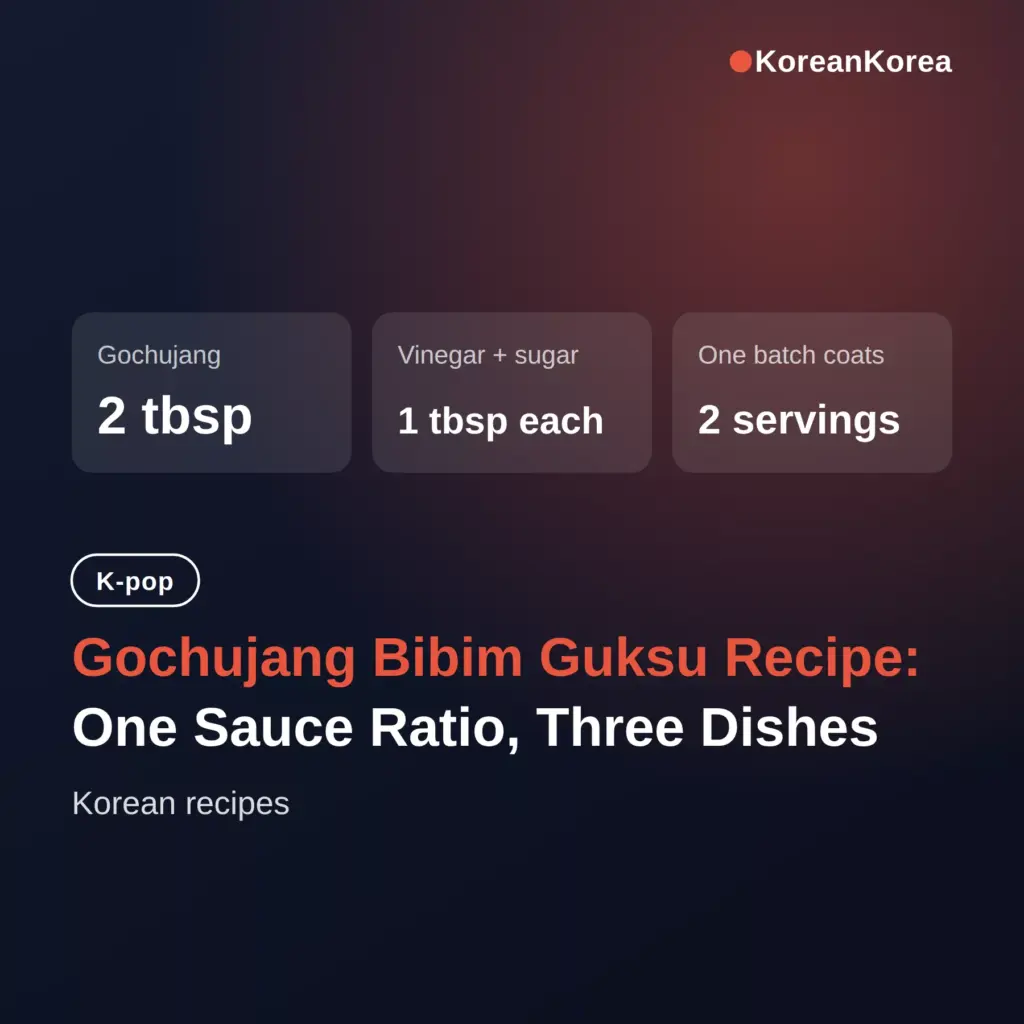
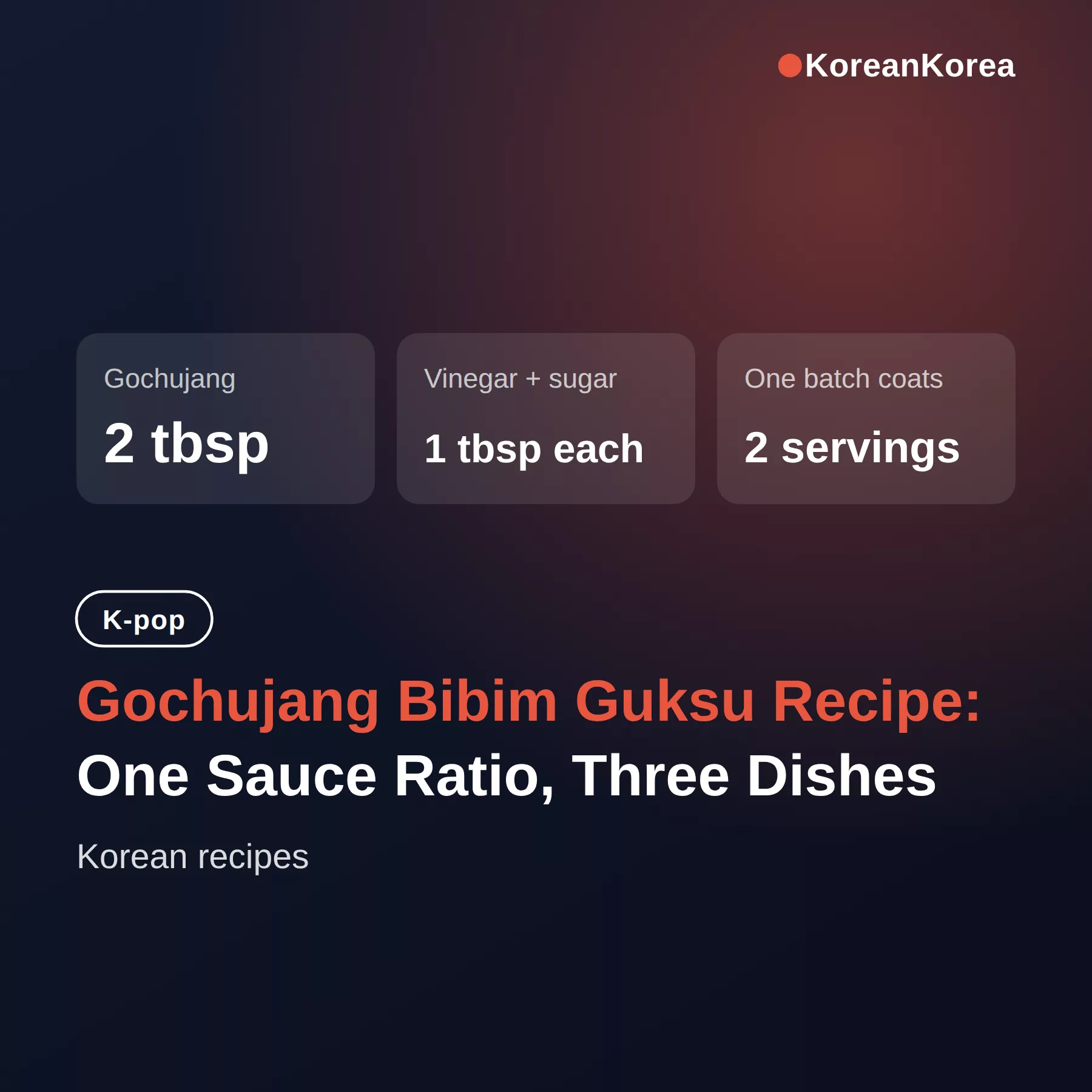
Gochujang bibim guksu is a cold noodle dish tossed in a sweet-spicy gochujang sauce, and it is a standard summer meal in Korea.
Contents
- Gochujang bibim guksu recipe: the all-purpose sauce ratio
- The chef’s twist: Worcestershire and cider vinegar
- Cooking the noodles so the sauce clings
- Garnishes, and the soy-sauce track
- Common ratio mistakes
Gochujang bibim guksu recipe: the all-purpose sauce ratio
The sauce is the whole recipe, and it is measured, not guessed.
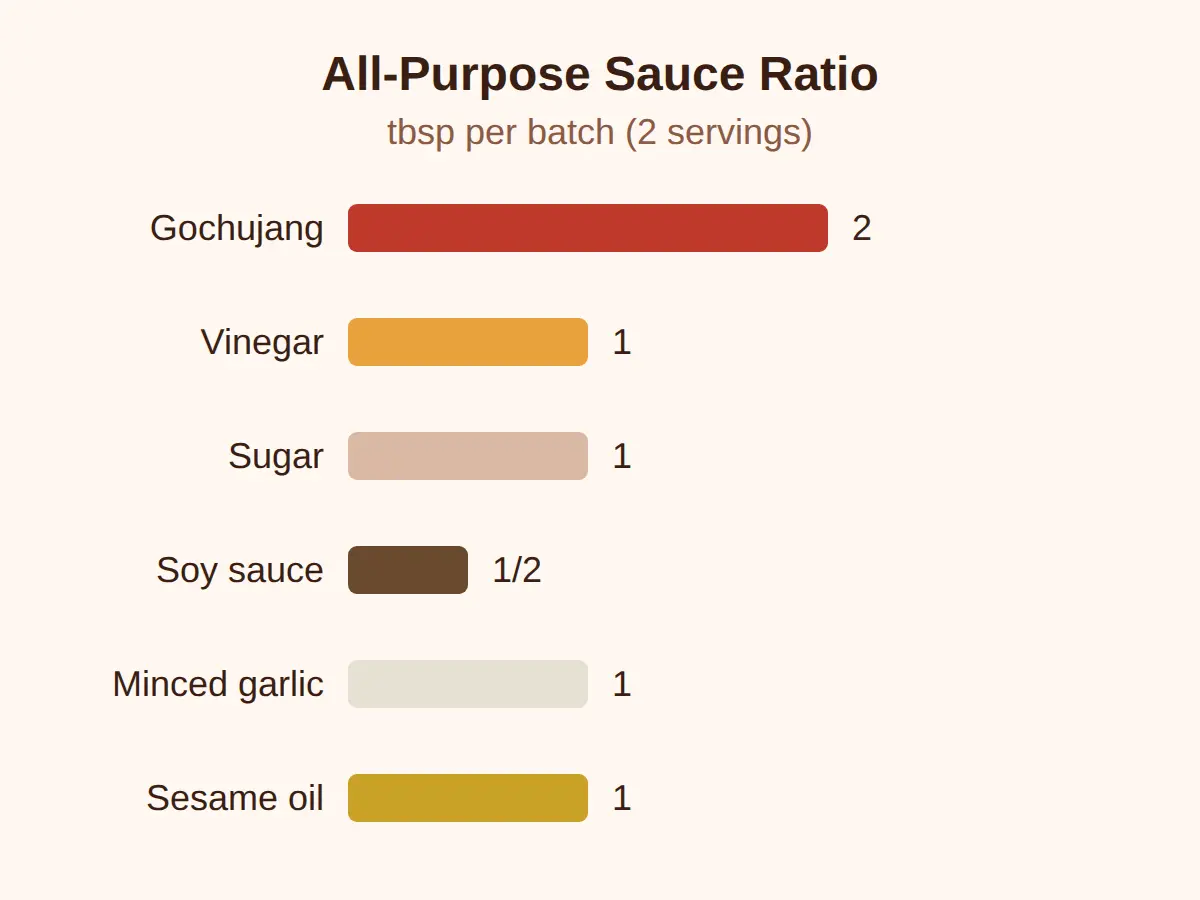
Korean recipe sources converge on one baseline: 2 tablespoons gochujang, 1 tablespoon vinegar, 1 tablespoon sugar, half a tablespoon soy sauce, 1 tablespoon minced garlic, and 1 tablespoon sesame oil.
One batch like this coats about 2 servings of noodles, and the amounts scale straight up for more.
The same sauce works for bibimbap and, thinned into a simmering base, tteokbokki, which is why Korean guides call it all-purpose.
Mix it first and taste it before the noodles go in — adjusting sauce is easy, adjusting a dressed bowl is not.
| Gochujang | 2 tbsp |
|---|---|
| Sugar | 1 tbsp |
| Vinegar | 1 tbsp |
| Soy sauce | 1/2 tbsp |
| Minced garlic | 1 tbsp |
| Sesame oil | 1 tbsp |
| Sesame seeds | a sprinkle |
The chef’s twist: Worcestershire and cider vinegar
A golden-ratio bibim guksu recipe from Jeong Ho-young of Culinary Class Wars has been circulating on Korean recipe sites.
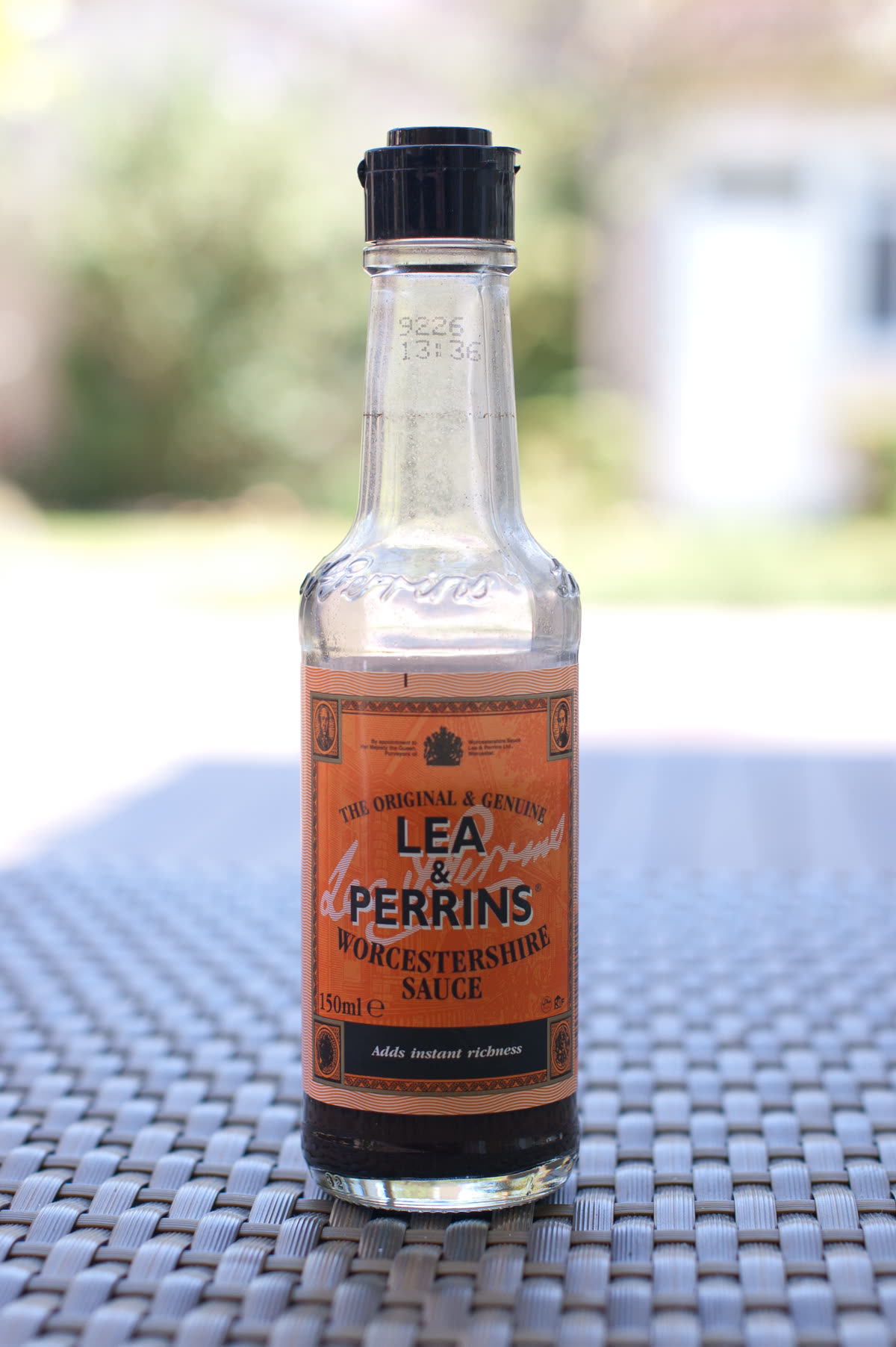
His version adds Worcestershire sauce and swaps in cider vinegar.
Worcestershire brings umami and depth that balances gochujang’s heat, and cider vinegar gives a softer, fruitier tang than distilled vinegar.
The exact tablespoon amounts for his version were not retrievable from the recipe page, so the numbers above are the standard ratio.
One check before using his version as written: Worcestershire sauce contains anchovy, so the chef version is not vegan.
👉 Kimbap Recipe: 45 Minutes, One Mat, No Special Ingredients
Cooking the noodles so the sauce clings
The noodles are thin wheat somyeon, and they need 2 to 3 minutes in boiling water — less than pasta.
Drain and rinse them under cold water, then shock them in ice water.
Rinsing removes surface starch, and that step is what keeps the dish chewy instead of mushy.
Cold noodles also slow the sauce from soaking in, so it stays coated on the outside.
Since the sauce batch already includes sesame oil, an extra 1-teaspoon drizzle over each finished bowl is optional — it simply adds aroma and helps keep the noodles from clumping.
Garnishes, and the soy-sauce track
Julienned cucumber, crisp lettuce, and sliced egg are the standard garnishes that keep the bowl cool and refreshing.
Bibim guksu does not always mean gochujang.
Korean guides split the dish into two sauce tracks: gochujang-based kimchi bibim guksu and soy-based ganjang bibim guksu, which leaves gochujang out entirely.
Pick the sauce track first, then measure — the ganjang version uses garlic, sesame oil, and a seasoned soy mix instead.
For children or spice-sensitive eaters, halve the gochujang and add 1 teaspoon of honey to keep the balance without the burn.
👉 Samgyetang Recipe Without a Spring Chicken: Supermarket Substitutions That Work
Common ratio mistakes
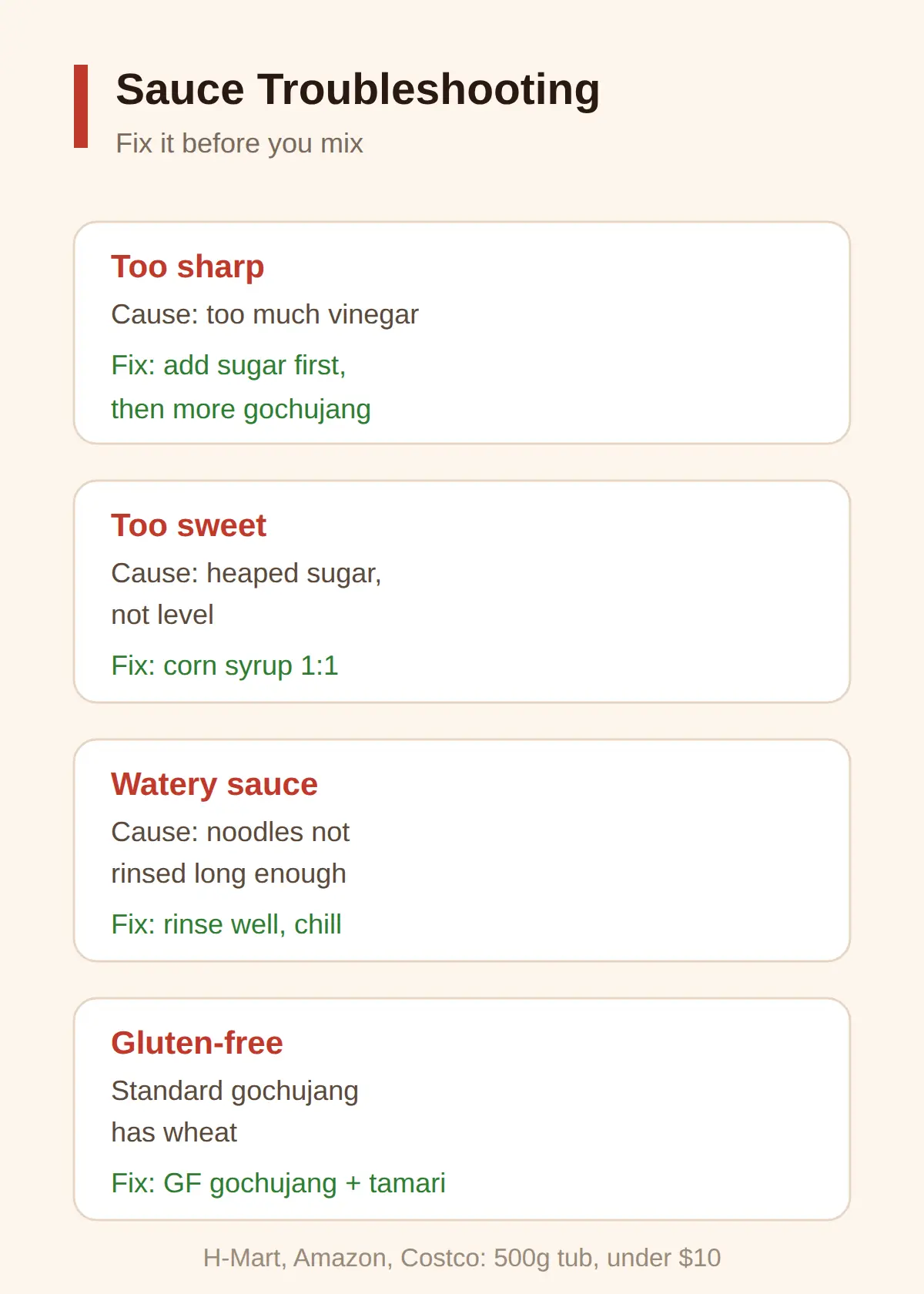
Too sharp means too much vinegar for the gochujang amount — add sugar before adding more gochujang.
Too sweet usually means sugar was measured heaped rather than level; corn syrup or honey can replace sugar 1:1 and cling to noodles better.
Watery sauce almost always traces back to noodles that were not rinsed long enough, so the residual heat and starch thin it in the bowl.
Standard gochujang contains wheat, so a gluten-free version needs a GF gochujang brand and tamari instead of soy sauce.
Gochujang itself is easy to find abroad — H-Mart, Amazon, and Costco stock 500g tubs, typically under $10.
Related posts
📎 Tteokbokki Recipe: Why Broth Instead of Water Keeps It From Turning Gummy
📎 tteokguk recipe: easy rice cake soup with frozen tteok
📎 📅 다가오는 일정 — 발매·개봉·발표 캘린더
Sources
- Worcestershire contains anchovy — not vegan; cider softens t (cookpick.kr)
- Cookpick golden recipe page confirms two sauce tracks and ga (cookpick.kr)
- 2:1:1 plus garlic/soy/sesame baseline ratio (10000recipe.com)
Quick reference
- 2:1:1 base — gochujang, sugar, vinegar — then garlic, soy, sesame oil
- Boil somyeon 2–3 minutes, then ice-water shock
- 1 tsp sesame oil per bowl at the end is optional, since the sauce batch already includes sesame oil — it mainly adds aroma and keeps the noodles from sticking
FAQ
Q. Is there a vegan or gluten-free version?
The base sauce is vegan when the sweetener is plant-based, but the chef version’s Worcestershire contains anchovy. Standard gochujang contains wheat, so gluten-free needs a GF gochujang and tamari.
Q. Does the Worcestershire and cider twist replace the vinegar and sugar?
It supplements rather than replaces — cider vinegar stands in for the sharper distilled vinegar, and Worcestershire is added on top for umami. Exact amounts in that version were not confirmed.
Q. How do I turn the sauce into tteokbokki?
Thin the same sauce with water or broth and simmer with rice cakes until the liquid reduces to a glaze.
In short: 2:1:1 — gochujang, sugar, vinegar — plus garlic, soy, and sesame oil coats 2 servings and doubles for bibimbap and tteokbokki.
Boil somyeon for 2 to 3 minutes, rinse cold, and add sesame oil to the finished bowl.
Numbers in this post were checked September 11, 2026.
#gochujangbibimguksu #bibimguksurecipe #bibimsauceratio #Koreancoldnoodles #gochujangsubstitute #somyeonnoodles #Koreansaucerecipe #bibimbapsauce
📅Upcoming Dates — 이번 주 16 · D-day 'The Scandal' global Netflix release전체 보기 →