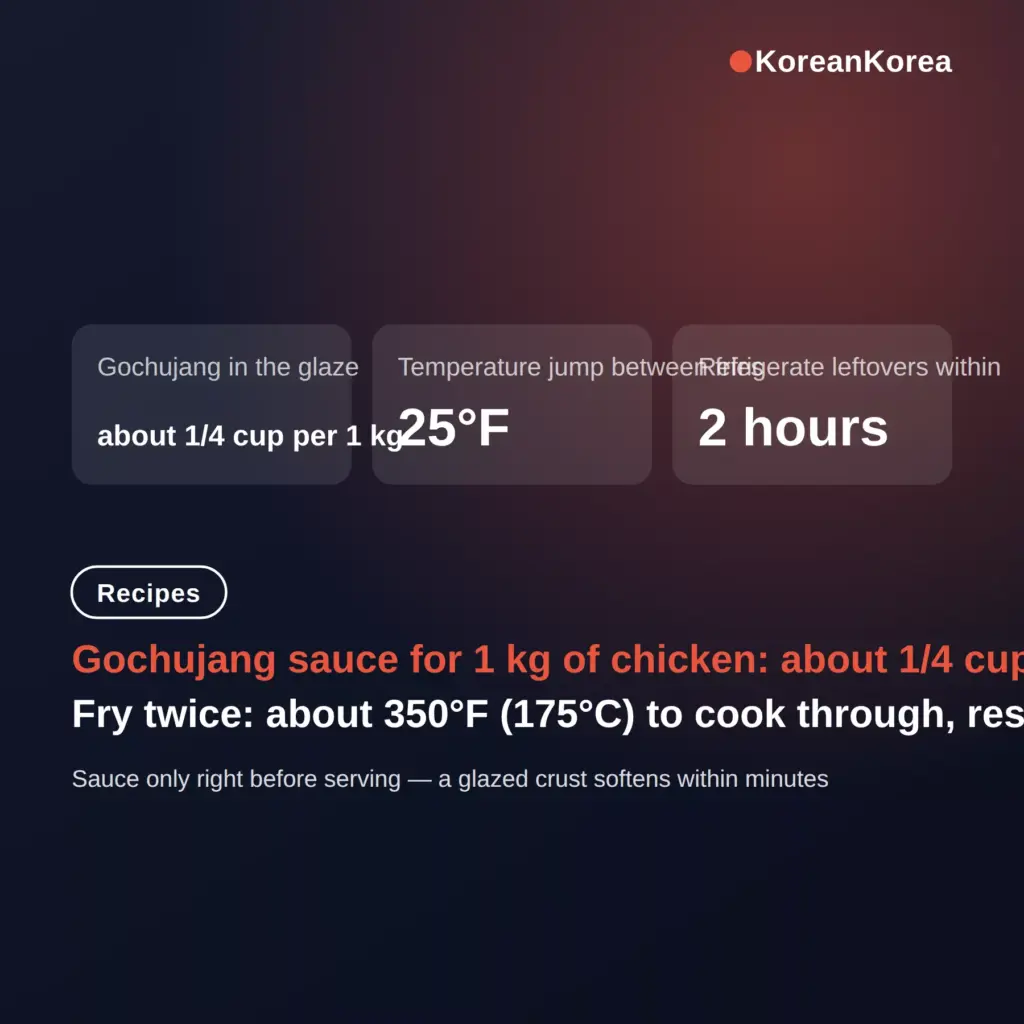
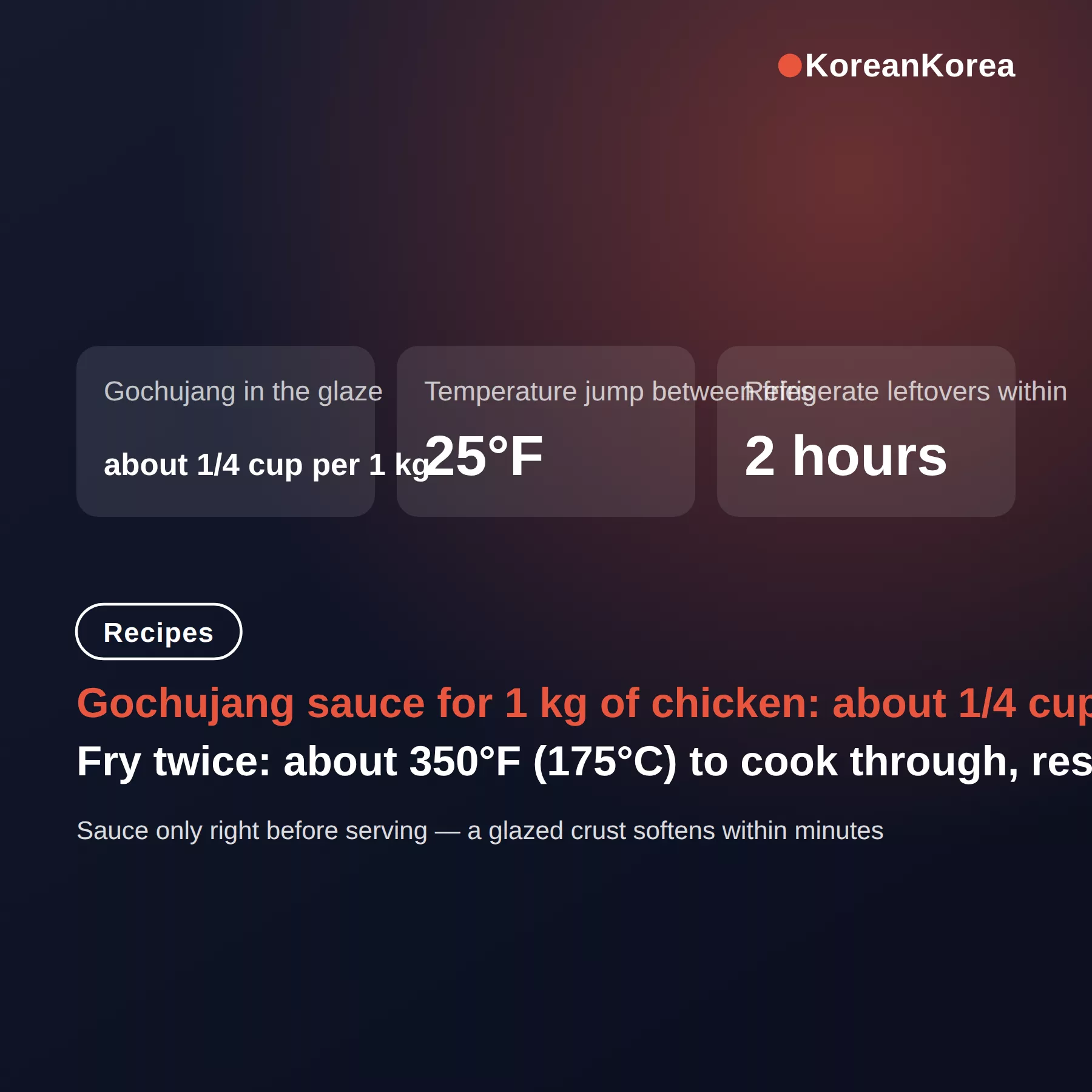
A gochujang glaze for about 1 kg of double-fried chicken is built on roughly 1/4 cup gochujang plus soy sauce, minced garlic, sugar and honey or corn syrup, and the chicken fries twice — about 350°F (175°C) first, then about 375°F (190°C).
Contents
- Korean fried chicken recipe gochujang: the ratio and the two-fry method
- The sauce, step by step
- Frying so the glaze doesn’t go soggy
- Three sauce variants: classic gochujang, soy garlic, without gochujang
- Substitutions and where to buy gochujang abroad
- Serving, storage and reheating
Korean fried chicken recipe gochujang: the ratio and the two-fry method
A gochujang glaze for about 1 kg (2.2 lb) of wings and drumsticks starts with about 1/4 cup gochujang, plus soy sauce, minced garlic, sugar, and honey or corn syrup simmered with water into a glaze.
The glaze scales in a straight line with the chicken, so 500 g of chicken needs half a sauce batch.
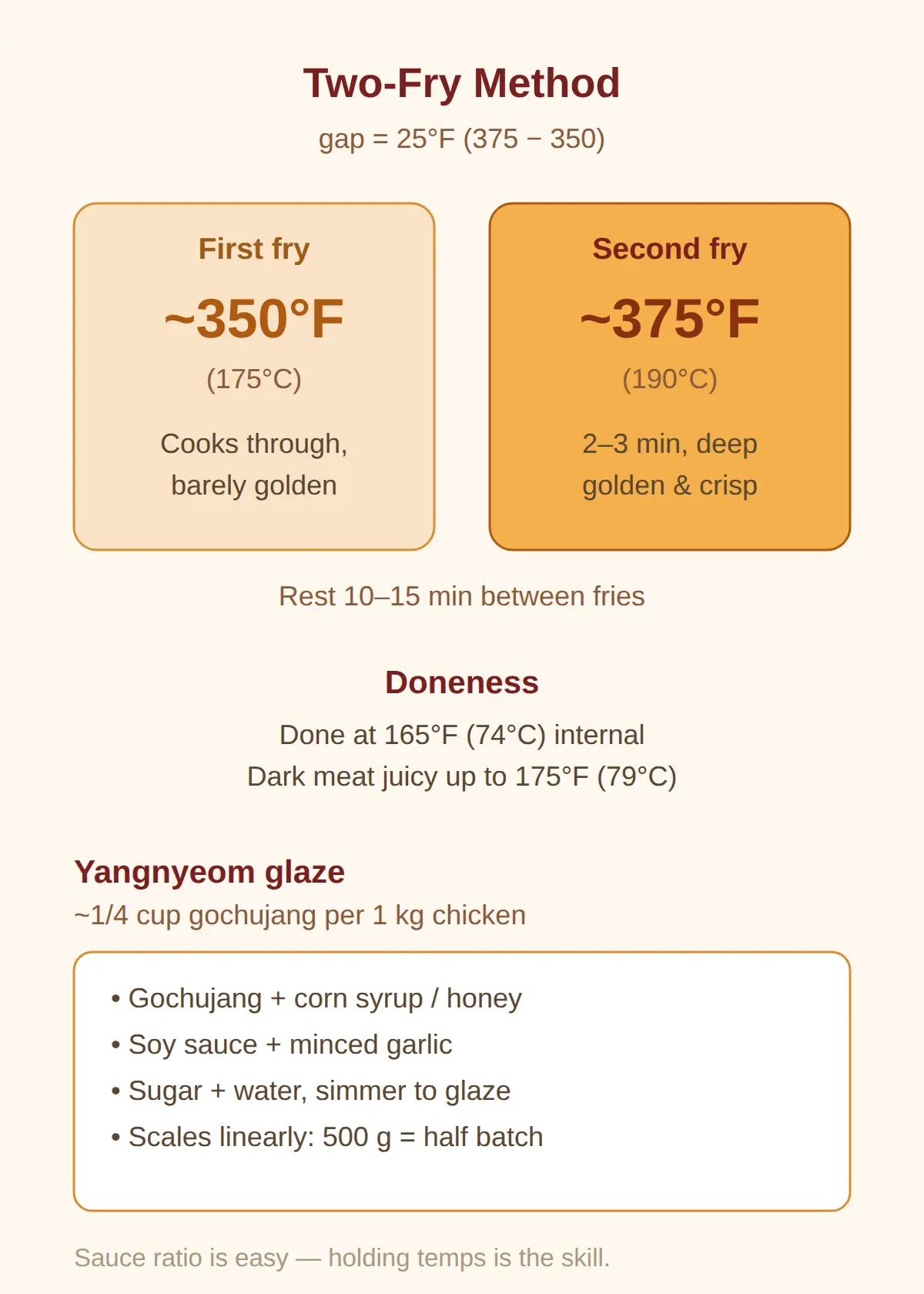
The fry is two stages, and the gap between them is 25°F (375 − 350).
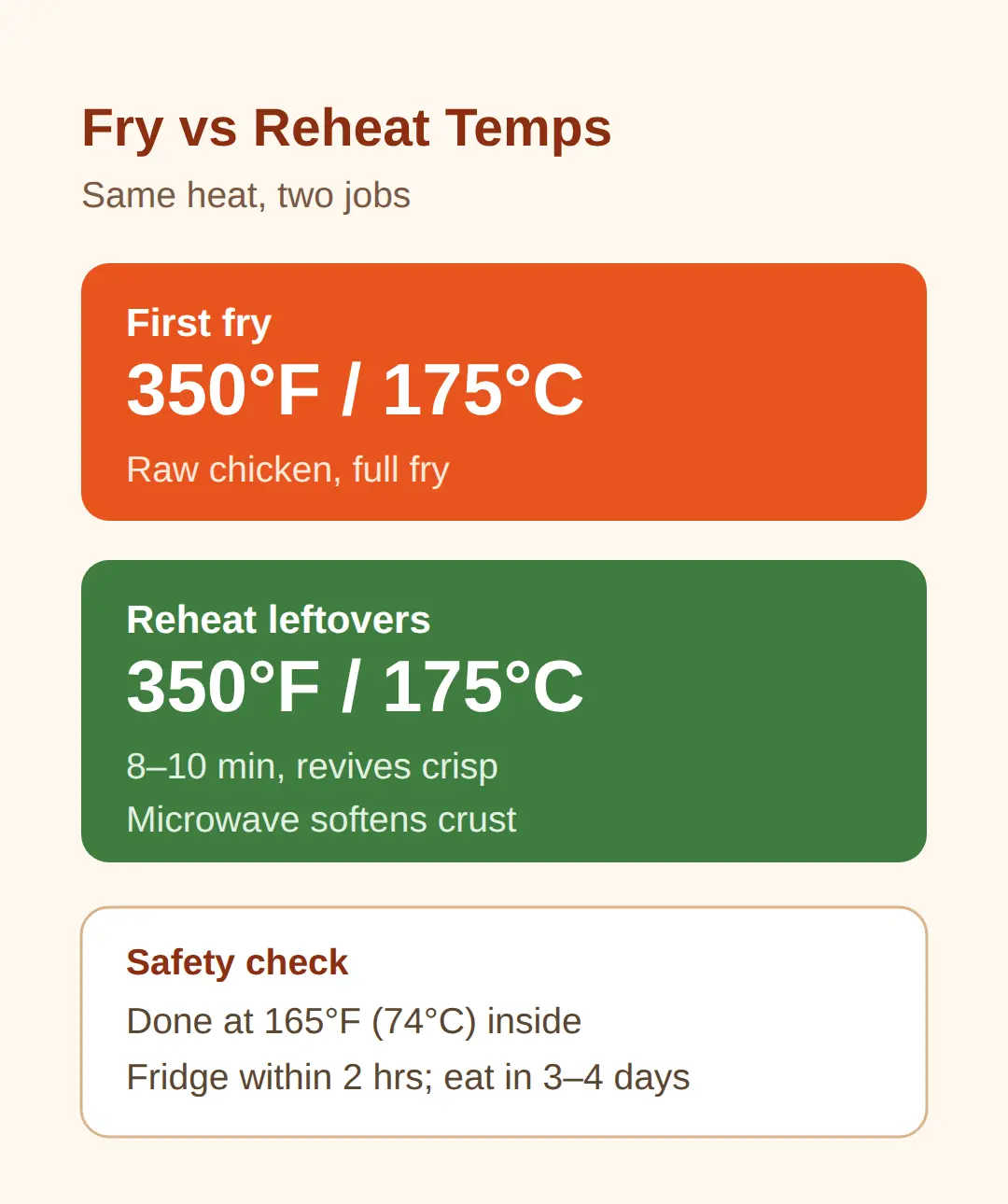
The first fry, at about 350°F (175°C), cooks the meat through and leaves the surface barely golden.
After a 10–15 minute rest, a second fry at about 375°F (190°C) for 2–3 minutes builds the deep golden, crunchy shell.
Chicken is done at 165°F (74°C) internal temperature, and dark meat stays juicy up to about 175°F (79°C).
If a thermometer is missing from the kitchen drawer, that clip-on probe is the first thing to buy — the sauce ratio is easy, and holding 350°F then 375°F is what separates crisp from soggy.
| First fry — cook through, barely golden | about 350°F (175°C) |
|---|---|
| Rest between fries — steam escapes | off heat, 10–15 minutes |
| Second fry — deep golden and crisp | about 375°F (190°C), 2–3 minutes |
The sauce, step by step
The gochujang sauce comes down to six things: gochujang, soy sauce, sugar, corn syrup or honey, minced garlic, and a little water.
Exact spoon-level weights vary between recipe pages, so treat the 1/4 cup figure as a starting point and check the recipe page before scaling up.
- Warm a little oil in a pan and sauté the minced garlic with the gochujang first, so the chile paste blooms instead of tasting raw.
- Add the sweeteners — corn syrup or honey plus sugar — and the soy sauce and water.
- Stir until the sauce turns glossy and slightly thickened, then keep it warm until the chicken comes out of the oil.
Sauce made from the fridge needs to be re-warmed before tossing, because cold gochujang sauce thickens and clumps instead of coating.
If the sauce goes on the chicken only at the last minute, a full batch can be made ahead and refrigerated without hurting the crust.
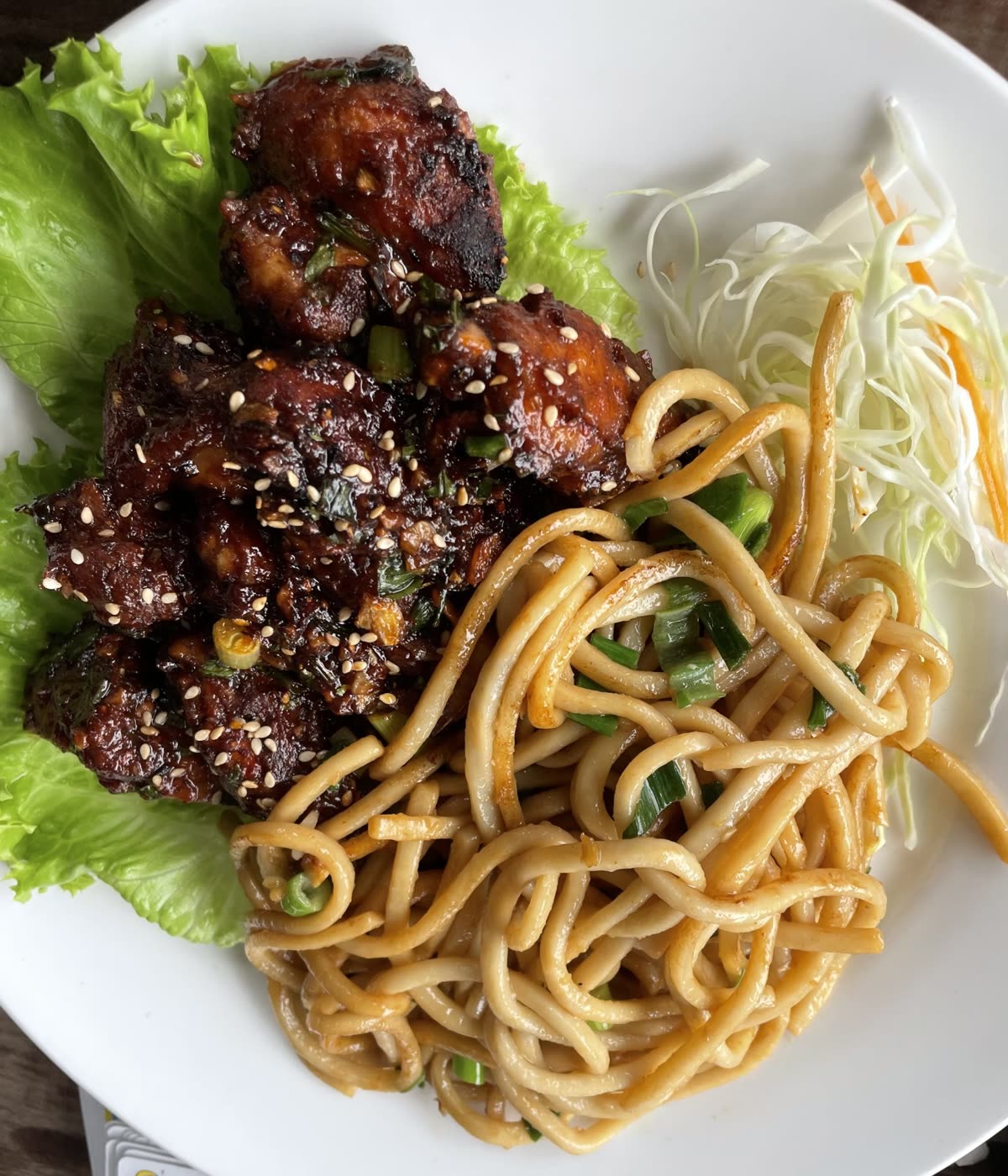
👉 Korean Fried Chicken Recipe Air Fryer: 400F Two-Stage Method and 25-Minute Cook
Frying so the glaze doesn’t go soggy
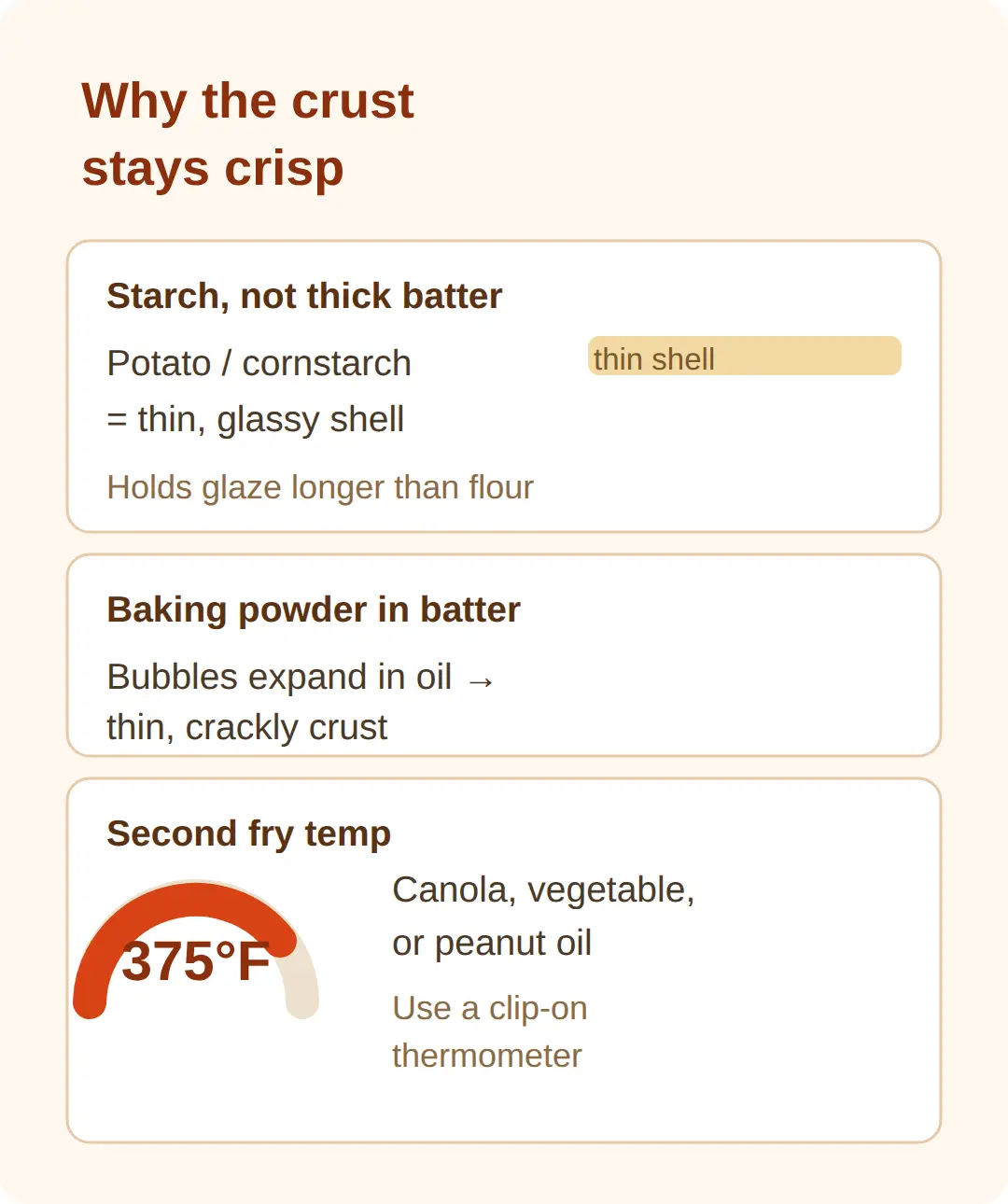
The crust survives the sauce because of starch, not because of a thicker batter.
Potato starch or cornstarch in the dredge makes a thinner, glassier shell that holds up longer under glaze than flour alone.
Baking powder in the batter adds bubbles that expand in the oil, which keeps the crust thin and crackly.
A heavy pot with a moderate depth of neutral oil works at home; canola, vegetable, or peanut oil all suit the second fry, which runs near 375°F.
A clip-on thermometer is the standard check on the oil, and the temperature recovering between batches matters more than how much oil is in the pot.
Wings and drumsticks are the standard cuts, and boneless thigh shortens the frying time if the batch needs to move faster.
If the crust looks pale after the second fry, the oil dropped below 375°F — wait for it to come back before the next batch.
Three sauce variants: classic gochujang, soy garlic, without gochujang
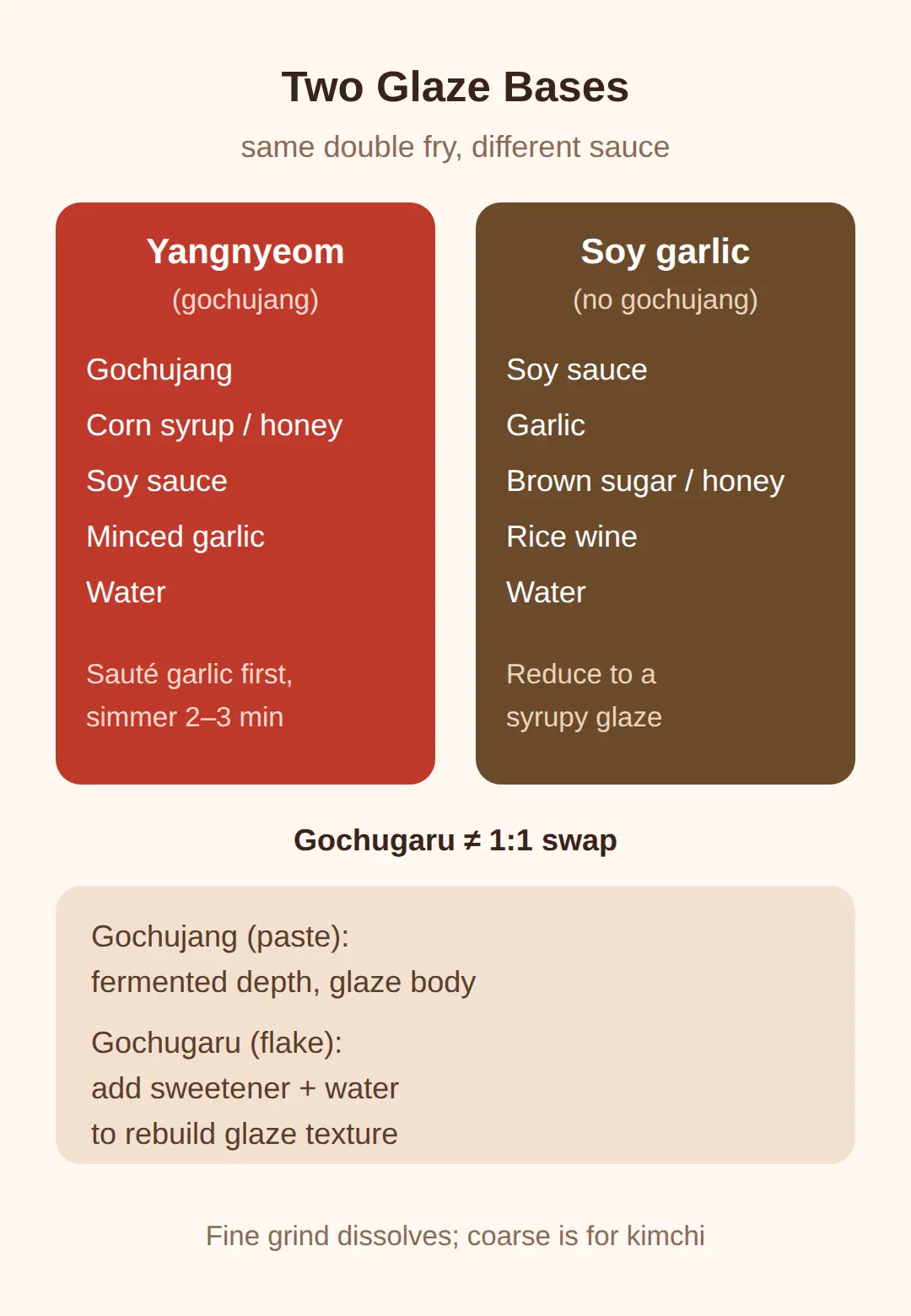
Two glaze bases cover most orders at Korean chicken shops, and each answers a different search.
| Base | What goes in it | What it tastes like |
|---|---|---|
| Yangnyeom (gochujang) | gochujang + corn syrup or honey + soy sauce + minced garlic + water | sweet-heat, fermented depth, brick red |
| Soy garlic | soy sauce + garlic + brown sugar or honey + rice wine + water, reduced to a syrup | savory-sweet, no chile, deep brown |
The soy garlic glaze is simmered down to a syrupy consistency and tossed with the same double-fried chicken, so the fry method does not change between the two.
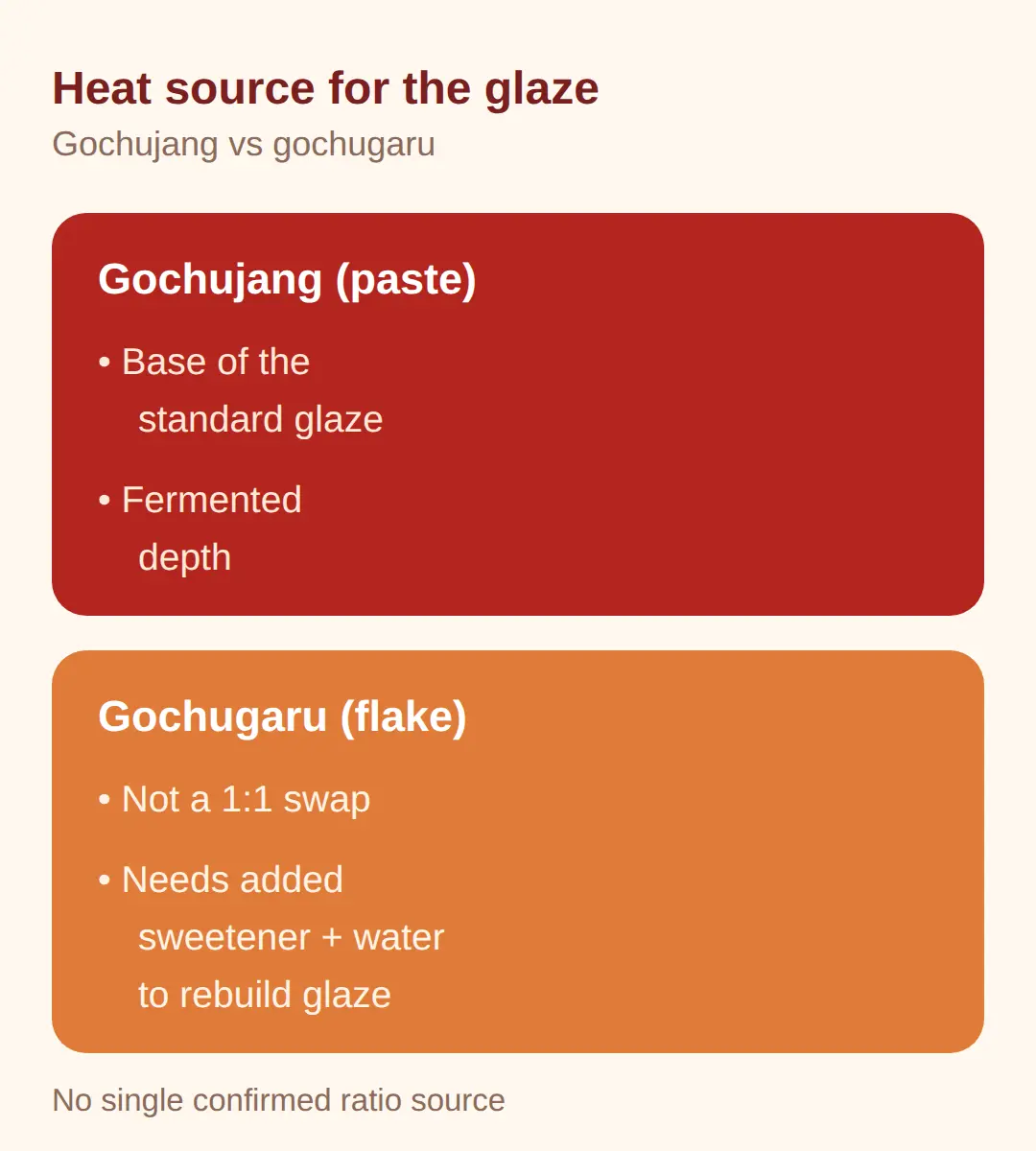
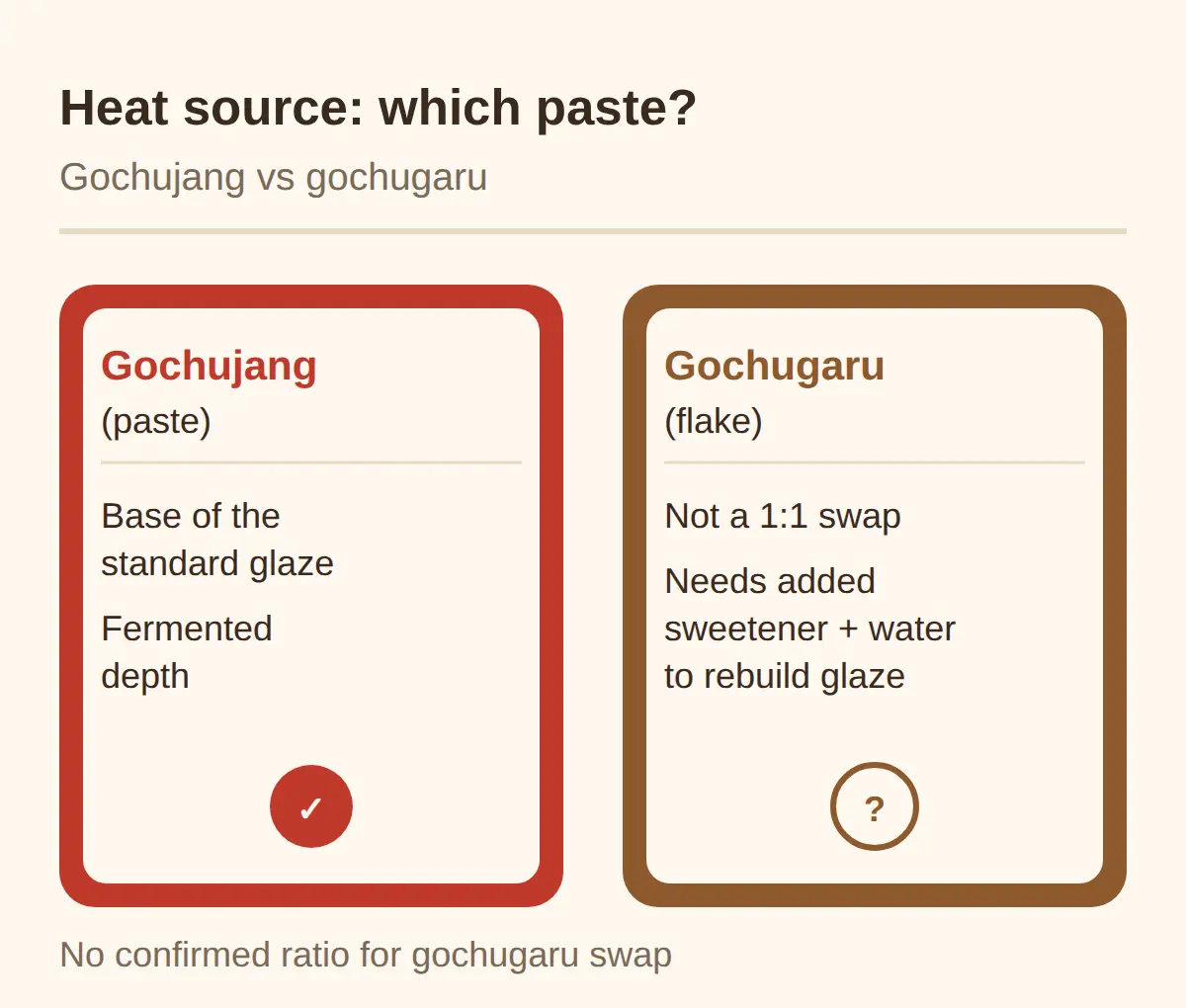
Gochugaru — the red pepper flakes — is not a 1:1 swap for gochujang, because the paste brings fermented depth and body that flakes do not.
When cooking with flakes instead, add a sweetener and a bit of water to rebuild a glaze texture, and pick the fine grind so the flakes dissolve without leaving specks; the coarse grind is the kimchi grind.
If the goal is a no-chile soy garlic chicken, skip the gochujang entirely and reduce the soy garlic base.
Substitutions and where to buy gochujang abroad
Honey or maple syrup replaces corn syrup at roughly equal amounts, so the sauce works with pantry sweeteners alone.
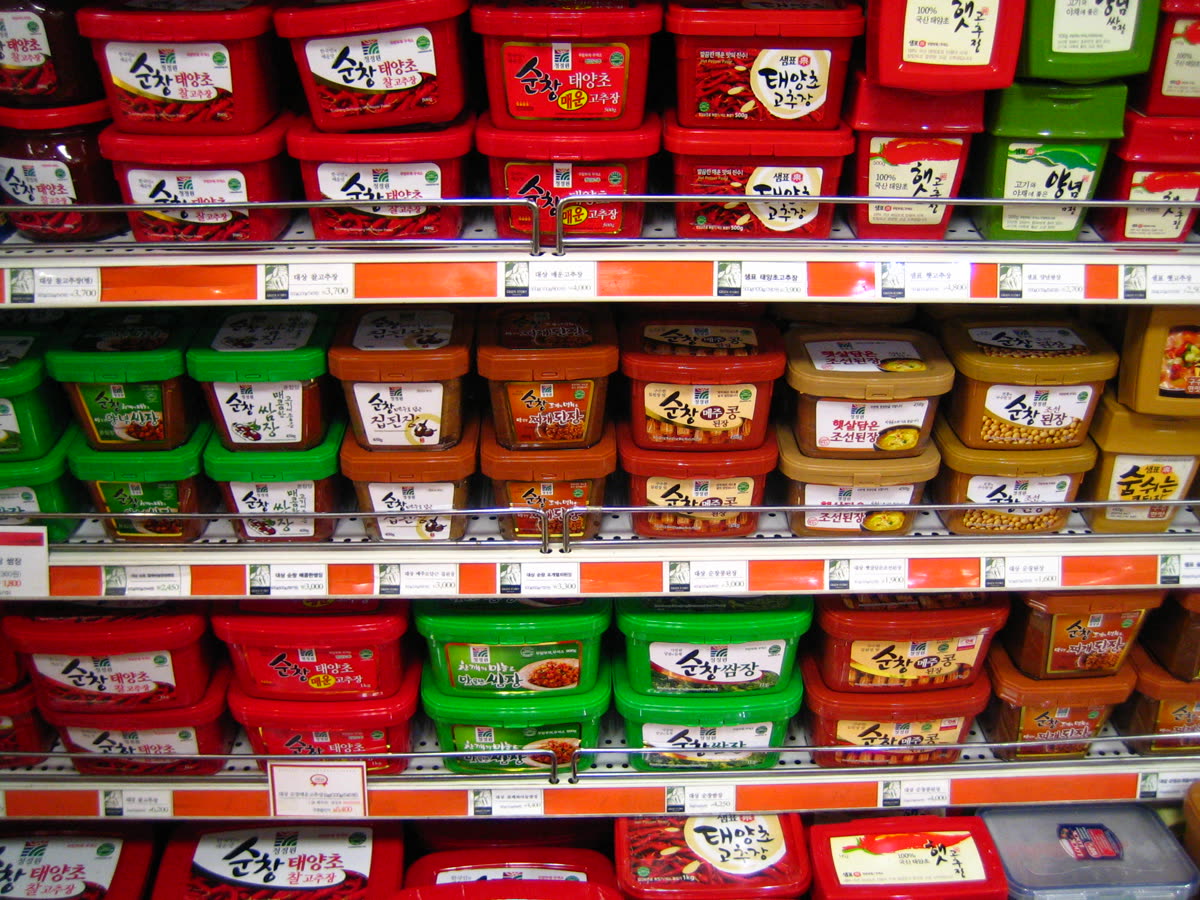
Gochujang itself needs no Korean grocer — tubs from brands such as CJ Haechandle, Sunchang, and Chungjungone are stocked in US and EU supermarkets and online, usually in 500 g to 1 kg sizes.
An opened tub keeps best refrigerated and tightly sealed, and its salt and sugar content lets it last many months that way.
One tub therefore covers many sauce batches, which matters because the glaze is cheap once the paste is in the fridge.
If the tub carries a heat label — mild, medium, or hot — picking ‘hot’ raises the sauce heat without touching the ratio, so the same recipe yields several spice levels from the paste swap alone.
For readers who need a gluten-free dredge, rice flour in place of wheat flour is the direction to check, but a tested ratio is not settled here.
👉 Gochujang Bibim Guksu Recipe: One Sauce Ratio, Three Dishes
Serving, storage and reheating
| Item | Answer |
|---|---|
| Serve with | Chicken-mu — lightly sweet-vinegarded pickled radish cubes; the radish cuts the sweetness of the glaze |
| Make chicken-mu | Under 10 minutes of prep, so it can be made while the chicken rests between fries |
| When to sauce | Immediately before serving — a sauced crust starts absorbing the glaze and softening within minutes, which is why Korean shops sauce to order |
| Food safety | Per USDA guidance, chicken is done at 165°F (74°C) internal; refrigerate leftovers within 2 hours and eat within 3–4 days |
| Reheating | About 350°F (175°C), the same as the first fry, brings back some crispness; a microwave softens the crust |
| Oil reuse | Strain cooled oil through a fine sieve and reuse once or twice; discard once it darkens, smells off, or smokes below frying temperature |
That 2-hour window is roughly 9.5 times the 10–15 minute rest between fries (120 ÷ 12.5), so leftovers need boxing up well within the same evening.
If I were serving this, I’d leave the sauce on the side and let people toss their own — glazed chicken softens within about 20 minutes and reheating only partially restores it, so unsauced leftovers keep far better.
👉 yangnyeom-tongdak recipe (Maangchi)
👉 Korean fried chicken technique (Serious Eats)
Related posts
📎 Samgyetang Recipe Without a Spring Chicken: Supermarket Substitutions That Work
📎 Kimbap Recipe: 45 Minutes, One Mat, No Special Ingredients
📎 📅 다가오는 일정 — 발매·개봉·발표 캘린더
Summary: the numbers to remember
- Sauce: about 1/4 cup gochujang per 1 kg of chicken, plus soy sauce, garlic, sugar, and honey or corn syrup.
- Fry twice: 350°F (175°C) to cook through, 10–15 minute rest, 375°F (190°C) for 2–3 minutes.
- Toss in warm sauce only right before serving; refrigerate leftovers within 2 hours and eat within 3–4 days.
FAQ
Q. What is the gochujang sauce ratio for Korean fried chicken?
For about 1 kg of chicken, start with roughly 1/4 cup gochujang plus soy sauce, minced garlic, sugar, and honey or corn syrup. Exact spoon-level weights differ between recipe pages, so check the recipe page when scaling.
Q. Can I make gochujang chicken sauce less sweet?
The sweetness comes from the corn syrup or honey plus sugar, so reduce those first while keeping enough to balance the gochujang’s salt. Choosing a ‘hot’ gochujang tub raises heat without changing the ratio.
Q. How do you keep the glaze from making the chicken soggy?
Double-fry at 350°F then 375°F, rest 10–15 minutes between fries, use potato starch in the dredge, and toss in warm sauce only right before serving. Sauced chicken softens within about 20 minutes.
Q. What can I use instead of gochujang?
A soy garlic glaze — soy sauce, garlic, brown sugar or honey, rice wine, and water, reduced to a syrup — skips the chile paste entirely. Red pepper flakes are not a 1:1 substitute for gochujang and need added sweetener and water.
Q. Can I use honey instead of corn syrup in yangnyeom sauce?
Yes. Honey or maple syrup replaces corn syrup at roughly equal amounts in the glaze.
Put the second-fry date on the calendar and buy a clip-on thermometer first — the sauce is the easy part.
#koreanfriedchicken #gochujang #yangnyeomchicken #doublefry #koreanrecipe #homecooking
📅Upcoming Dates — 이번 주 16 · D-day 'The Scandal' global Netflix release전체 보기 →